The Native Lone Ranger
When I was young, I discovered reading.
I grew up in a small town in North Dakota without much money, with few chances to visit faraway places. Then, on a cold, rainy day, bored because there was nothing on the three channels we had on television, I stumbled onto a worn paperback on a shelf.
My mind was blown. I read the entire thing that afternoon.
I found that when I read books, I saw them like a movie in my head. Suddenly, I had a thousand stories from a thousand worlds playing in my mind. I got my first library card, started hitting the Bookmobile my uncle Charles drove to our school, and began reading voraciously.
Somewhere in that first long blur of books, I found Last of the Breed by Louis L'Amour and SVAHA by Charles de Lint. I was shocked, and I still remember how those books made me feel. They were adventure stories. They were survival stories. They were strange and exciting. More than that, they let me see something I had never seen before: we, Native people, could be the main character, standing at the center of the story, making the choices, carrying the adventure forward.
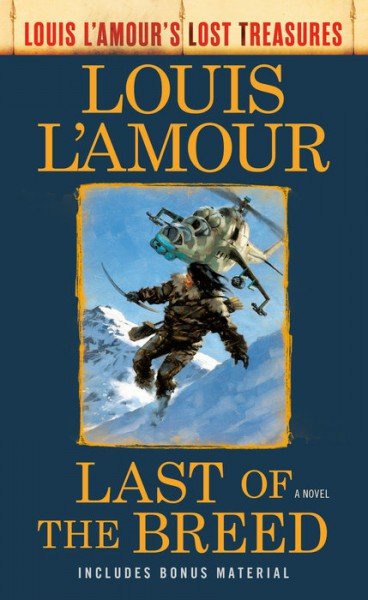
Cover image for Last of the Breed by Louis L'Amour, used for identification and commentary.
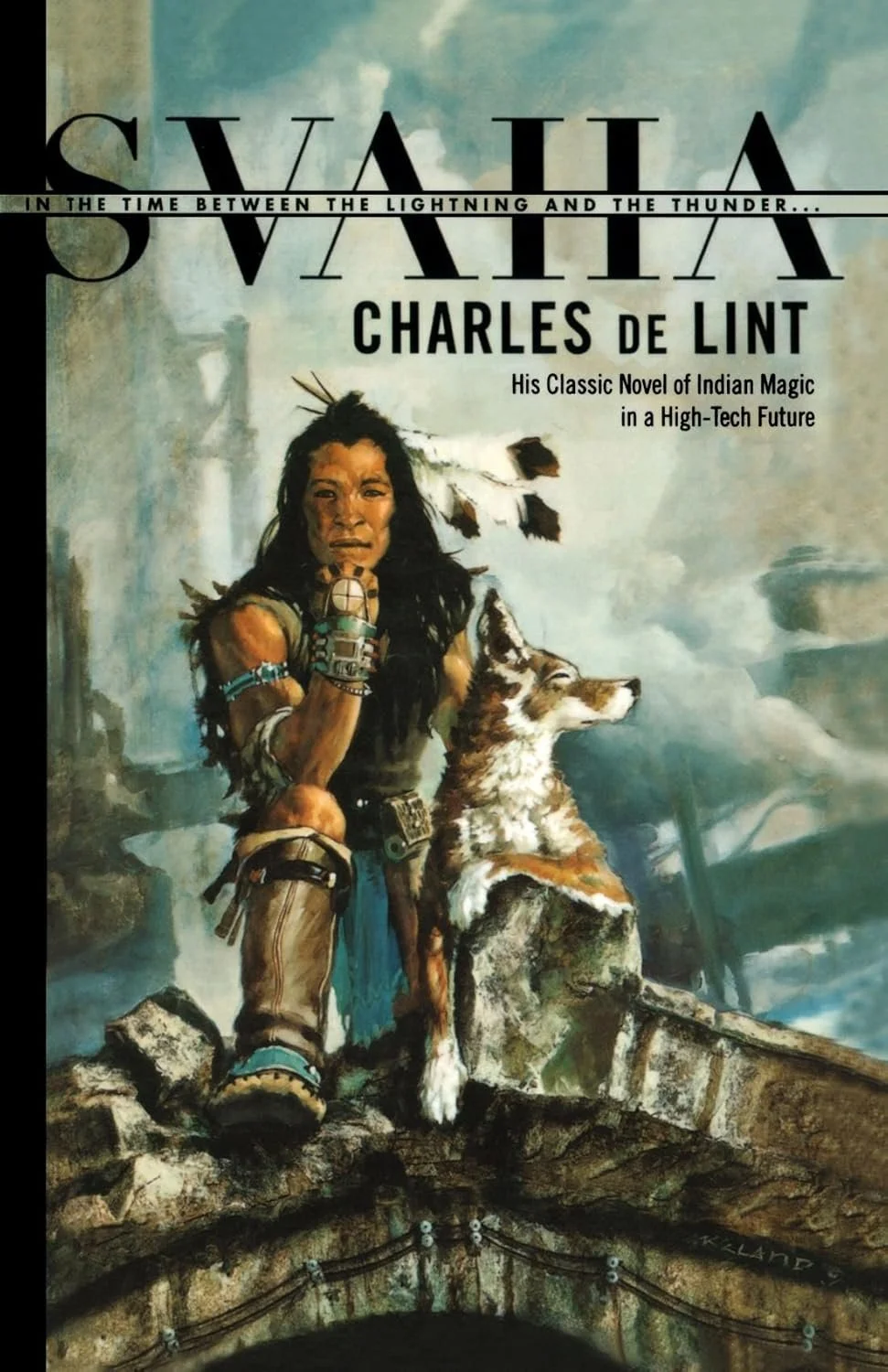
Cover image for SVAHA by Charles de Lint, used for identification and commentary.
We could be the Native Lone Ranger.
I was so excited by the newness of that. I had always felt on the outside. The people I knew growing up were rarely the people I saw in movies or magazines. That first feeling of belonging stayed with me.
Even now, I see great books finally being written from inside our communities, from our people's perspective. Those stories matter.
I also see a gap.
Native law enforcement officers, men and women, have been protecting our people since before any government was established on this continent, long before badges, agencies, statutes, or federal systems existed. That work has continued ever since. There are successful stories about Native law enforcement, but how many are written by people who have actually done the work?
After spending much of my life in Indian Country law enforcement, helping protect our people, I wanted to write stories about those men and women: the tribal officers, the BIA agents, the investigators, the ones who answer the call when the call comes from home. I wanted to write what it looks and feels like from the inside.
There is another part of this that matters to me.
If we can be the protagonist, the good guy, we can also be the antagonist, the bad guy. Full representation has to allow for that. Native people are not symbols. We are not a single moral category. We are a whole people.
That means we can be the protector and the person being protected. We can be the investigator and the suspect. We can be the person trying to save the community and the person harming it. We can be funny, brilliant, broken, selfish, brave, corrupt, loyal, dangerous, ordinary, and good.
That matters in crime fiction because crime fiction depends on human choices. It depends on motive, loyalty, fear, greed, love, silence, duty, and betrayal. Indian Country has all of that because Indian Country has real people.
I don’t want to write Native characters who exist only to represent an idea, or characters who only speak to the old ways. I want to write Native characters who feel alive on the page. Some will do the right thing. Some will do terrible things. Some will do both before the story is over.
That is where No One Came Looking began.
Marcus Black is an FBI agent, a son, a grandson, a man caught between worlds, and a Native protagonist standing at the center of his own story. The mystery, the danger, the ending, all of it matters. So does the simple act of letting him occupy the middle of the page.
Those books changed me because they showed me that we belonged at the center of the adventure. I wrote No One Came Looking from that same belief.
